About
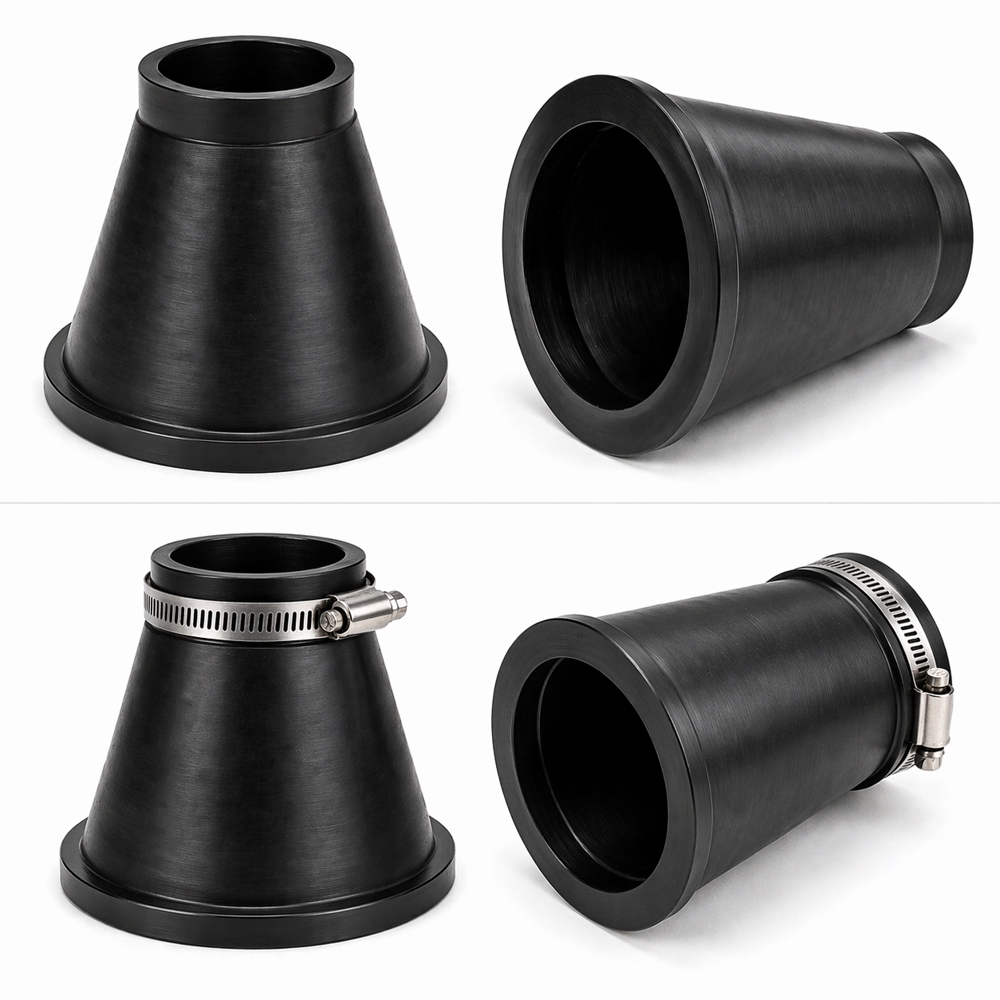
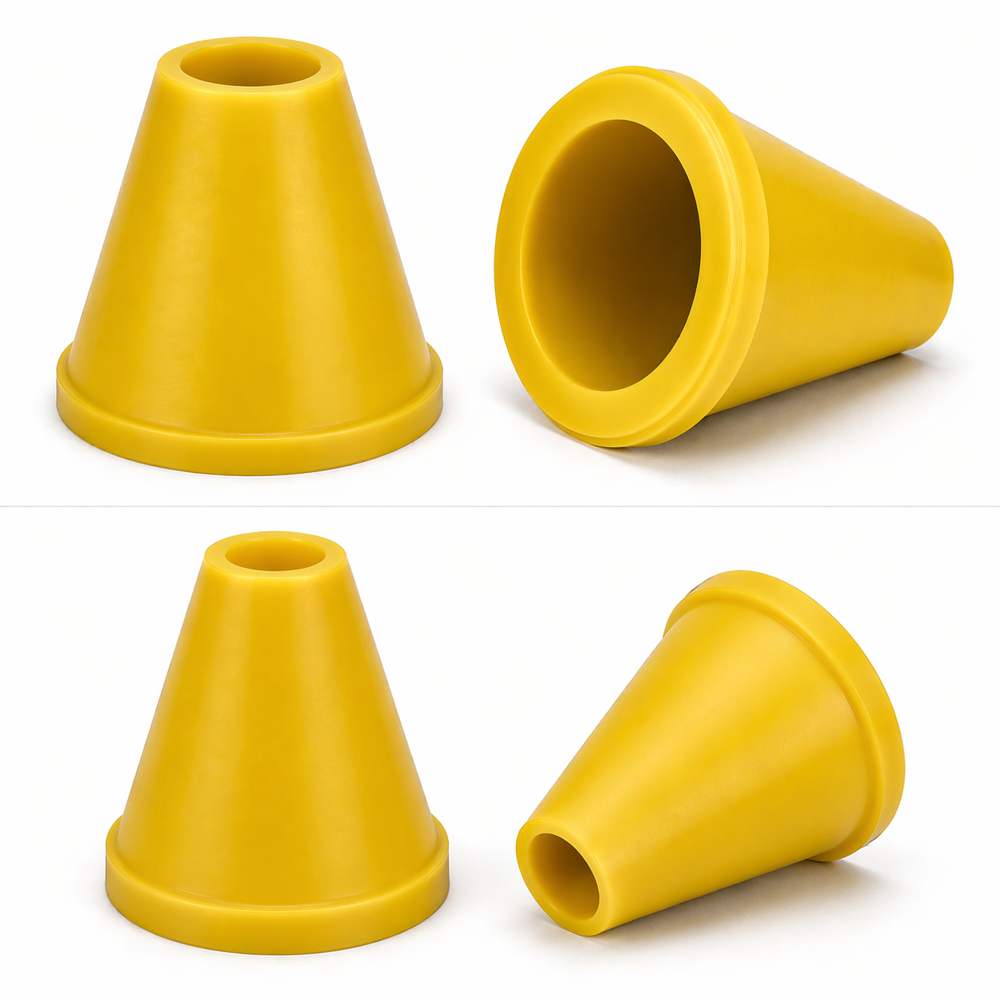
SARA INDUS PRODUCTS PRIVATE LIMITED is a manufacturer and supplier of pipeline cones based in Chennai India. These polyurethane pipeline cones are designed for sealing, wiping and smooth travel applications inside industrial pipelines.
Our pipeline cones are manufactured using high quality polyurethane material to ensure excellent abrasion resistance, flexibility and long service life. These cones help maintain sealing efficiency, support dewatering operations and improve pigging tool performance in demanding pipeline systems.
Pipeline cones are widely used in oil and gas pipelines, slurry transfer lines, dewatering pigs, batching tools, flow assurance systems and industrial process pipelines.
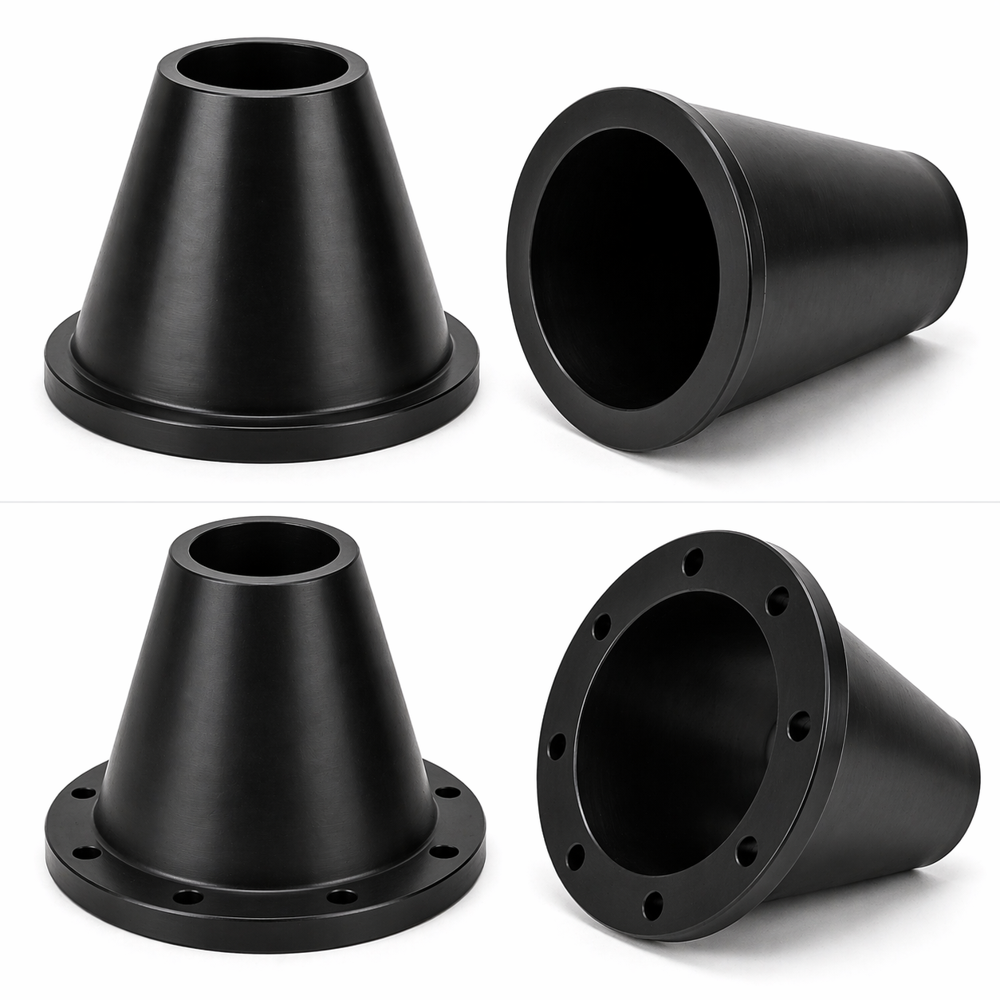
We offer pipeline cones in different diameters, cone profiles, hardness levels and mounting designs based on customer requirements.
Product Features
- Excellent sealing and wiping performance
- High abrasion and wear resistance
- Smooth travel inside pipelines
- Good flexibility and dimensional stability
- Oil and chemical resistance
- Long operational life
- Custom sizes and cone profiles available
Applications
- Oil and gas pipelines
- Slurry transfer lines
- Dewatering pigs
- Flow assurance systems
- Industrial process pipelines
Additional Details
- Custom molding solutions available
- Precision manufactured pipeline cones
- Consistent product quality
- Competitive pricing
- Timely delivery
- Suitable for repeated industrial use
For bulk orders and custom requirements, contact SARA INDUS PRODUCTS PRIVATE LIMITED Chennai India.
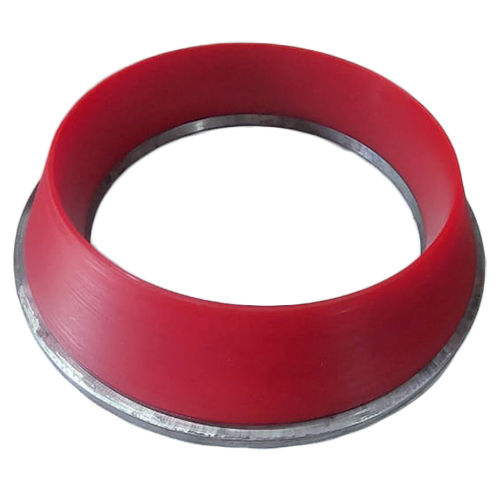
Superior Construction for Demanding EnvironmentsManufactured from high-grade mild steel, this pipeline cone combines structural strength with excellent corrosion resistance. The paint-coated blue finish not only adds visual identification but also forms a protective layer against harsh industrial conditions, prolonging the lifespan of the fitting.
Engineered for Reliable PerformanceWith precise dimensions-400 mm (large end) to 200 mm (small end), 6 mm thickness, and 250 mm length-this cone delivers dependable flow transition between pipes. The welded connection ensures secure installation, while compliance with major standards guarantees consistent quality across supply chains.
FAQ's of Pipeline Cone:
Q: How is the Pipeline Cone installed in an industrial piping system?
A: The Pipeline Cone is designed for welded connections, ensuring a secure and leak-proof fit. During installation, the ends of the cone align with the respective pipes and are welded following standard procedures to achieve optimal strength and integrity.
Q: What benefits does the paint-coated mild steel construction offer?
A: The paint-coated mild steel construction enhances corrosion resistance, protecting the cone against moisture and industrial chemicals. This prolongs service life and reduces maintenance costs compared to uncoated fittings.
Q: Where can this Pipeline Cone be used within industrial applications?
A: This component is suitable for diverse industrial environments where pipe diameter transitions are required, commonly found in process plants, water supply systems, and other piping networks in India.
Q: What standards does the Pipeline Cone comply with?
A: The cone adheres to IS 1239 and ASTM A234 standards, ensuring it meets established criteria for material quality, dimensions, and performance in industrial piping systems.
Q: When should I choose this specific Pipeline Cone for my project?
A: Opt for this pipeline cone when your project requires a reliable, corrosion-resistant fitting capable of handling pressures up to 16 bar and temperatures between -10C to 120C, especially when working within the specifications outlined by IS 1239 or ASTM A234.
Q: What is the process for ensuring the corrosion resistance of this cone?
A: The mild steel surface is treated with a high-quality blue paint coating which acts as a barrier against corrosive agents, enhancing longevity and maintaining structural integrity under challenging conditions.
Q: How does the conical shape benefit fluid flow in the pipeline?
A: The conical design enables a gradual change in pipe diameter, minimizing turbulence and pressure drops. This allows for smoother flow transitions, improving both efficiency and operational performance.